
Victoria, TX & The Crossroads Area
Spray Foam Insulation Built for Victoria, TX Summers
Professional spray foam insulation for homes, metal buildings, and shops in Victoria, TX and the Crossroads area.
Locally Owned & Operated
Free On-Site Quotes
Same-Week Scheduling
A poorly insulated home is quietly draining your wallet every summer.
One under-insulated attic can turn a Victoria summer into a $300 electric bill, month after month. Between the heat, the Gulf humidity, and a housing stock older than modern energy codes, most homes here are leaking cool air somewhere — and spray foam is the only material that seals the leak instead of just slowing it down.
We help homeowners, shop owners, and builders across Victoria get insulation that actually holds up to South Texas heat, humidity, and storm season.
Just honest recommendations from a local crew that explains the why behind every job.
Spray Foam Insulation Tailored to Your Building
Whether it’s an older Victoria home losing cool air through the attic, a metal shop that needs the right foam thickness, or a commercial space bleeding energy costs, we bring the same honest, detail-first approach to every job.
Where We Apply Spray Foam
Services We Offer
From First Call to a Sealed, Comfortable Home
1. Get Your Free Quote
Call, text, or fill out the form below — we’ll set up a time to walk your attic, crawl space, or shop in person.
2. We Spray It Right
We prep the space, protect what shouldn’t get foam, and apply the right thickness and foam type for your building.
3. Feel the Difference
Most jobs finish in a day. You’ll feel the difference in comfort, and see it on your next electric bill.
Signs Your Victoria Home Needs Spray Foam
Most people don’t call us because they were thinking about insulation. They call because something in the house stopped making sense. Here’s what those symptoms usually mean in a Crossroads-area home — and what actually fixes them.
| What you’re noticing | What’s actually happening | What fixes it |
|---|---|---|
| Attic hits 130–140°F by mid-afternoon | Radiant heat soaks straight through an unsealed roof deck. Your AC ends up fighting the attic, not the weather. | Attic / roof-deck spray foam |
| Summer electric bills north of $300 | Conditioned air escaping through gaps that batt insulation was never designed to seal. | Attic foam + whole-home air sealing |
| One room never cools down | Air leakage and uneven coverage in the walls or the ceiling above that room. | Wall or attic spray foam |
| Musty smell near the floors | Humid Gulf air moving up through an open or vented crawl space. | Crawl space foam + vapor control |
| Insulation looks sagging, gray, or gapped | Old fiberglass has settled. Those dirt streaks mark the exact paths air has been taking for years. | Insulation removal and replacement |
| Metal shop is unusable by noon | Bare steel radiates heat inward with no thermal break between the panel and your workspace. | Metal building / barndominium foam |
| AC runs nonstop and never catches up | Usually an envelope problem rather than an AC problem — the house loses cool air faster than the unit can make it. | Air sealing + attic foam |
Spray Foam vs. Fiberglass vs. Blown-In Cellulose
Most comparison charts online are written to sell one product. Here’s the honest version — including where foam isn’t automatically the right answer.
| Closed-cell foam | Open-cell foam | Fiberglass batts | Blown-in cellulose | |
|---|---|---|---|---|
| R-value per inch | ~6.0–7.1 | ~3.1–3.9 | ~2.9–3.8 | ~3.2–3.8 |
| Seals air leaks | Yes — seals as it expands | Yes | No — air passes through it | Partially |
| Gulf Coast humidity | Best — acts as a vapor retarder around 2″ | Good for interior and attic use; stays vapor-permeable | Poor — absorbs and holds moisture | Poor to fair — absorbs moisture |
| Settles or sags | No | No | Yes | Yes |
| Adds structural rigidity | Yes — stiffens walls and roof decks | No | No | No |
| Typical installed cost | ~$2.40–$3.96 / sq ft | ~$1.30–$1.75 / sq ft at 3.5″–5.5″ | Lowest upfront | Low |
| Realistic service life | Life of the building | Life of the building | Degrades noticeably in 15–20 years | Settles over time |
Which one you actually need
- Open-cell usually makes sense for attic conversions, interior walls where sound matters, and projects where budget is the deciding factor.
- Closed-cell usually makes sense for crawl spaces, metal buildings and barndominiums, flood-prone areas, anywhere you need a vapor retarder, and tight cavities where you need maximum R-value per inch.
What Spray Foam Actually Costs Around Victoria
Almost nobody local publishes real numbers. These are the ranges we see across Texas-area projects — reference ranges, not a quote. The only honest price comes after someone measures your space.
- Open-cell at 3.5″–5.5″ (a typical attic): roughly $1.30–$1.75 per square foot
- Closed-cell at 2″: roughly $2.40 per square foot and up
- Closed-cell in thinner 1″ applications: regional reports run as high as $3.35–$3.96 per square foot
- Whole-home projects: commonly $15,000–$40,000+, driven mostly by square footage, foam type, and access
Why two quotes on the same house can differ by thousands
- Square footage and cavity depth — the real cost driver is board feet, not floor area
- Open-cell vs. closed-cell — closed-cell costs more per inch, and does more per inch
- Attic access and roof pitch — tight, low-clearance attics simply take longer
- Whether old insulation has to come out first
- Obstructions — ductwork, wiring, and recessed lighting that has to be masked or worked around
Straight Answers About Spray Foam
These questions come up in almost every estimate. We’d rather answer them honestly than pretend the tradeoffs don’t exist.
Will spray foam void my shingle warranty?
This is the most common fear and the most overstated one. Testing across Texas and Florida found roughly a 6°F maximum difference in shingle temperature on foamed roof decks — and Owens Corning, a shingle manufacturer itself, entered the spray foam market. That said, warranty terms vary by manufacturer, so check yours before work starts. And if shingle temperature is genuinely the concern, changing shingle color moves the needle more than insulation does.
Does spray foam cause mold?
Foam doesn’t create moisture. The real risk is sealing over a problem that already exists — an active roof leak, plumbing seepage, rotted decking — or an application that leaves voids. That’s why we look for active water intrusion before anything gets sprayed, and why we’ll tell you to fix a leak first rather than foam over it.
Is it safe? What about off-gassing?
Properly mixed, properly cured foam is inert once it sets. Nearly every “we got sick after installation” account traces back to one of two things: an off-ratio mix, or people re-entering before the cure window was up. Plan to be out of the house during installation and for the cure time we give you.
Will it hurt my resale or appraisal?
Keep your documentation — foam type, thickness, installer, and date. Documented envelope work paired with lower utility bills is an asset in a listing. The friction stories almost always come from undocumented work that a buyer’s inspector can’t verify.
What about fire safety and wiring?
Foam has to stay clear of heat sources — flues, chimneys, and any recessed can light not rated for insulation contact — and code requires an ignition or thermal barrier in living spaces. This is a real constraint, and it’s part of why the on-site inspection matters.
Can it be removed later?
Yes, but honestly: it’s labor-intensive and it isn’t cheap, because foam bonds to the substrate. If you’re planning a major remodel of that area in the near term, tell us — it may change what we recommend.
How We Quote, and Why It Matters
We’re not going to name other companies. But a handful of practices separate a solid insulation job from one you’ll regret, and it’s fair for you to know what to hold any contractor to — including us.
| How we do it | What’s unfortunately common | |
|---|---|---|
| Estimates | On-site inspection and measurement before any number is given | A price quoted over the phone, sight unseen |
| Pricing | Written, itemized quote before anything is sprayed | A verbal number that moves once work starts |
| Foam selection | We explain why open-cell or closed-cell suits your specific space | One foam type for every job, because that’s what’s on the truck |
| Documentation | Photos of the cavity before it gets covered up | No record of what’s behind the foam |
| Moisture | Existing leaks identified and addressed first | Foam sprayed straight over an active problem |
| Who shows up | A local Crossroads crew | A sub-contractor dispatched from three counties over |
Real Results
We don’t just spray foam and leave — we solve specific problems. Here’s the kind of thing our work actually fixes:
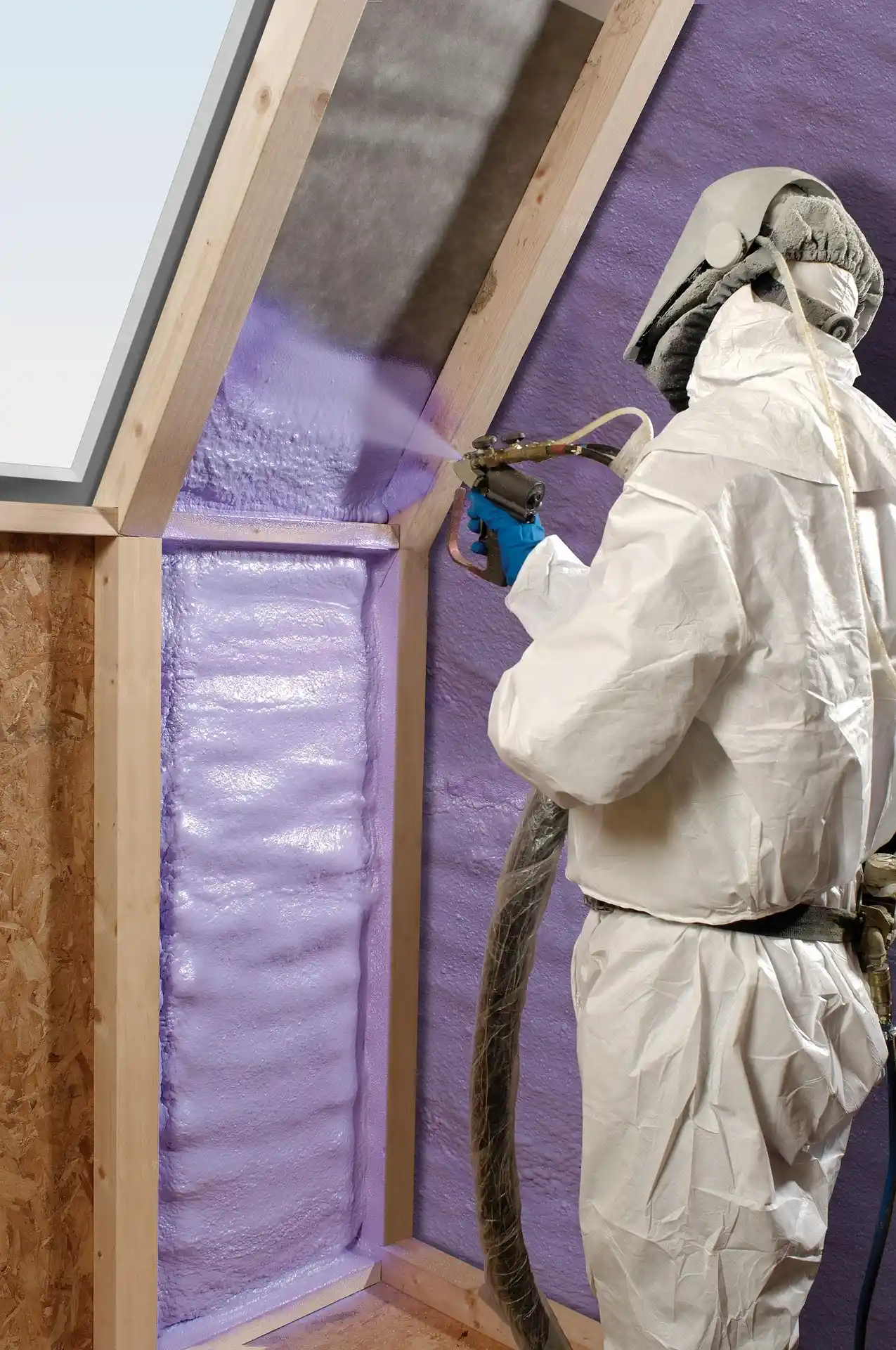 140°F attic in July → sealed and back under 100°F within a day
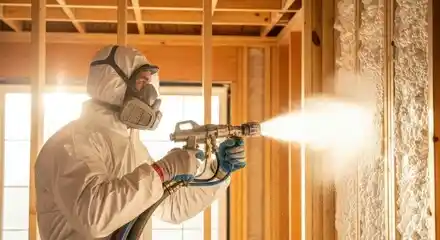 Humid crawl space pulling air under the floors → sealed into a conditioned crawl space
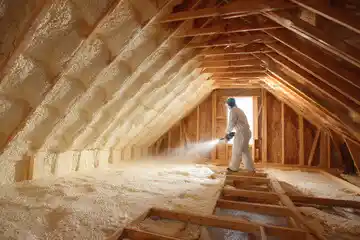 Metal shop with no temperature control → 2″ closed-cell foam holds a steady temperature
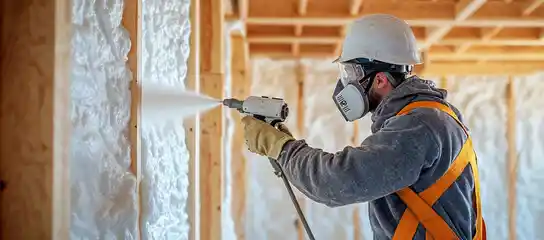 Electric bill creeping up every summer → attic re-foamed, bill dropped the next cycle
Got Questions?
We’re happy to help. If you can’t find the info you’re looking for, please don’t hesitate to reach out to us!
Call us (361) 363-1471
Ready to Stop Losing Money to Your Attic?
Don’t guess at insulation. Get a real on-site quote, a straight answer on open-cell vs. closed-cell, and a written price before anything gets sprayed.
Fill out the form below and we’ll reach out to schedule your free on-site quote.
Visit Us in Victoria, TX
1307 N Wheeler St, Victoria, TX 77901
Call us at (361) 363-1471